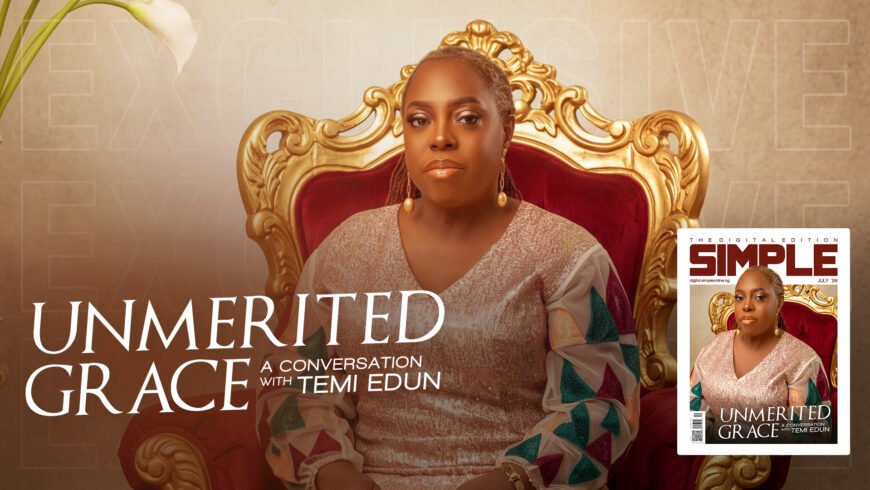
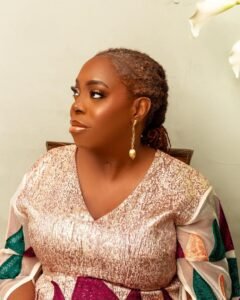
Olayemi Temi Edun is a British-born Nigerian and mother of three with a vibrant personality and a deep passion for life, people and new experiences.
She began her career in financial services, working in the city of London in compliance and risk roles across major global institutions. Over time she rose to senior positions including Head of Compliance with experience spanning leading financial organisations such as Bank of New York, JP Morgan, HSBC and others.
Temi Edun is also a qualified chef with expertise in both continental and vegan cooking and a gospel singer. Before her stroke, she was preparing to release her first gospel album and was also running successful pop-up food events. She enjoys trying new recipes, travelling, cycling, swimming and spending time with friends.
On 12 July 2019, Temi Edun was heading to a praise and worship service. Tragically, hours later she was paralysed and unable to speak, with doctors expressing limited hope. Despite the bleak outlook, Temi heard a different voice that encouraged her to persevere.
In this conversation with Tola Adebayo, she shares her story of the devastating loss, the challenging recovery and the unwavering belief that sustained her. This is not merely about surviving a stroke but finding purpose amidst adversity and the unexpected kindness that made it possible.
Unmerited Grace is her first book—a deeply personal memoir inspired by her journey of recovery, written to raise awareness about stroke and inspire hope in the face of adversity.
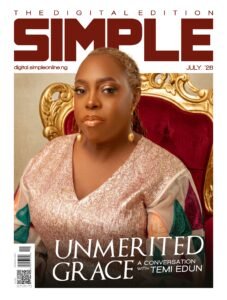
UNMERITED GRACE: WHAT SPURRED THIS TITLE FOR THE BOOK?
I received it. It was not warranted unto me but was given. That is why it was named Unmerited Grace.
WHEN YOU FIRST CAME OUT OF THE COMA, HOW DID YOU FIRST PROCESS EVERYTHING THAT HAD HAPPENED?
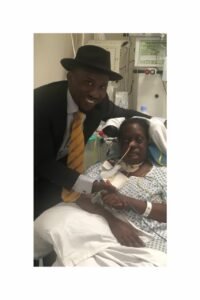
After I came out of the coma, the first thing was that I was unable to speak. I had to first run tests to ensure I could take in liquid. I could not swallow water through my throat; it had to be administered intravenously and they would wet my lips. They eventually had to perform a test where a camera was inserted down my throat to check my stomach for any damage before I could begin eating solids.
DID YOU ALWAYS FEEL LIKE YOU WOULD GET THROUGH THIS?
I believe it was a case of it could go either way, but in my heart I knew it was not time for me yet because I had not fulfilled the call of my life. I had not completed the work that God had sent me to do, so what would I return home to say?
WHAT ROLE HAS GOD PLAYED IN YOUR LIFE AS A WHOLE?
My God has always been faithful. He has not failed, and He will not fail. Yes, I had to go through a stroke and a number of trials in the past, but He has always been there for me, bringing me through every time. He doesn’t fail. Look through the Bible; you will see that He doesn’t fail, so why will He fail on my own account.
A CENTRAL THEME IN THE BOOK WAS FAITH. CAN YOU EXPAND ON THE ROLE OF FAITH IN ALL OF THIS?
Faith is the reason I am here today. I guess stroke is one thing; my faith has been tested throughout my life. Stroke is just another example of one of the tests, so to speak.
YOU HAVE SHOWN STRONG FAITH. HOW DO YOU STAY TRUE TO YOUR FAITH IN THE MIDST OF CHALLENGES?
Faith is always tested, and I just saw this as another test. As I said, I have been tested a number of times, gone through trials such as waiting on God for childbirth, but as always He got us through. We now have three healthy children.
“Faith is always tested, and I just saw this as another test.”
WHAT WAS THE HARDEST PART OF RECOVERY FOR YOU, EMOTIONAL OR PHYSICAL?
I think it was a mixture of both, to be honest. First, coming to terms with what has happened, then accepting what has happened. Knowing things will have to change, but I chose not to sit down and feel sorry for myself.
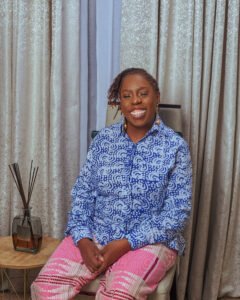
WHAT WAS THE FIRST MAJOR STEP BACK THAT YOU CAN HIGHLIGHT?
When I came out of the coma, I could not speak like I said, so I had to learn to speak again. I had to learn to control my bladder and bowels again. It’s been a trial and a half.
YOUR BOOK FEATURED MULTIPLE PERSPECTIVES FROM THE DOCTORS, PHYSIOTHERAPISTS, AND FAMILY. WHAT WAS THE MOST SURPRISING THING YOU LEARNED IN YOUR OWN JOURNEY BY SEEING IT THROUGH THEIR EYES?
My faith at first. I know I have faith, but it was a trial and a half. There were people dying left, right, and centre from where I was that had gone through similar things but they did not make it. So it just reinforces my belief that my work on Earth is not done. That’s why I am still here.
The multiple perspectives also gave a sense of: when something happens, it doesn’t just affect the victim as such; it also affects a number of people. Everyone is always focusing on the victim because of the physical. I went through it physically, but they went through it emotionally.
SPEAKING OF FAMILY, HOW DID THE FAMILY REACT TO THIS SITUATION?
There was an incident when my parents came to see me in the hospital and I was watching my dad. I could see him with the sort of look that implied, “God, why not me instead of my child?” And that was very painful for me to watch.
WHAT ABOUT YOUR IMMEDIATE FAMILY?
My husband has been my rock. I thank him for standing beside me in the most difficult trial I ever faced in my life.
SPEAKING ABOUT YOUR HUSBAND, WHAT DID YOU LEARN ABOUT YOUR HUSBAND’S PRIVATE GRIEF FROM HIS ACCOUNT IN THE BOOK?
I learnt that he understood that he should have paid more attention, things like checking my blood pressure. He saw that I used to do it but he never really understood why it was being done.
HOW DID IT FEEL READING THE PERSPECTIVE OF YOUR DAUGHTER?
That was very painful.
AS SOMEONE WITH A PROFESSIONAL BACKGROUND AS A RISK ANALYST: HOW DID THAT ANALYTICAL, LOGICAL BRAIN REACT TO A MEDICAL EVENT THAT IS COMPLETELY RANDOM AND DEFIES ALL CONTROL?
It caught me by surprise. As far as I was concerned, my mindset was that it only happened too much older people. I was unaware that it could happen to anybody at any age, even from the womb. It was very much like an educational reassessment.
ON YOUR RECOVERY PROCESS, HOW WERE YOU ABLE TO MOVE THROUGH THIS PERIOD, BOTH MENTAL AND PHYSICAL?
At first I was upset that it could happen to me in the first place because I was on my way to lead praise and worship, but it happened and it happened. As I said, I was angry at first but I had to let that go.
SO THE FIRST PRACTICAL STEP YOU TOOK WAS LETTING GO?
Yes.
WHAT OTHER STEP DID YOU TAKE AFTER THAT?
Physiotherapy; being focused and determined that it has to come to pass.
WHAT WAS THE FIRST PHYSICAL ACTIVITY YOU MANAGED TO DO WHILE RECOVERING?
Cooking, which is one of my passions. In rehab in the UK, you are in a centre for maybe eight to twelve weeks where you learn to do things yourself: like bathing, brushing your teeth. Things people will normally take for granted.
YOU MENTIONED COOKING AS YOUR FIRST MAJOR RECOVERY ACTIVITY—HOW DID THAT FEEL?
That felt good because cooking is one of my passions. The first thing I made was plantain and eggs at the rehab. I remember sending my assistant to get pepper and onions for it just so it could taste nice. That experience was enjoyable because I made the food and my husband turned up to eat it and I was very happy.
AS A MOTHER OF THREE AND AS A WIFE, HOW DID YOUR FAMILY TAKE THE WHOLE PROCESS?
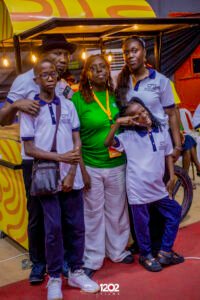
Well, they were very supportive, which was important. They took their time with me. My recovery was successful because I had support from my siblings, my husband’s siblings, the whole family was like a unit, and friends as well.
WHAT ARE SOME OF THE THINGS YOU CAN HIGHLIGHT AS BEEN TOUGH WHEN YOU FIRST CAME BACK HOME?
They had turned my house upside down, rearranged things all without my permission, which was very frustrating at first. There was no adaptation made to the house, which was good, but in my bathroom, I had to have grips to hold on to for support.
DO YOU FEEL LIKE THE FAMILY HAD TO MAKE SPECIAL CONCESSIONS BECAUSE OF THE SITUATION?
I won’t say so. The only thing I will say that stands out is when I got discharged from rehab and my husband booked a hotel, saying it will be nice for us to just enjoy that. We were in a hotel for a couple of days, but after a while, I pushed to go home. I needed to go back to my house.
HOW DID IT FEEL HAVING THE ROLES SWITCHED FROM THE MOTHER WHO TAKES CARE OF THE FAMILY TO THE FAMILY TAKING CARE OF THE MOTHER?
It was like a shift in roles, which was weird, but I thank God for the support. For the very first time, we had to have a live-in assistant to help out.
YOU WERE ON THE VERGE OF RELEASING AN ALBUM BEFORE THE STROKE HIT. DID YOU EVER TRY TO SING DURING THOSE DARK MOMENTS, AND DID MUSIC PLAY ANY MAJOR ROLE IN KEEPING YOU THROUGH THE SITUATION?
Yes, I did. I mentioned that the stroke happened on my way to lead praise and worship. I have been singing since I was six, not necessarily praise and worship. The album is still coming out.
WHAT WERE SOME OF THE THINGS THAT KEPT YOU GOING THROUGH THOSE TOUGH TIMES?
I was watching a lot of films. I love watching Nollywood movies. One of my favourite actors is Richard Mofe Damijo (RMD). I watched one of his films and enjoyed it so much that I looked forward to meeting him when I returned to Nigeria. When I did return, he had moved to the United States with his family. I was able to speak to him on the phone and I mentioned how he got me through my hardest season, and that I would love to meet him in person. I also enjoyed watching Deyemi Okanlawon and Lateef Adedimeji. I used to imagine just hosting a dinner with all of them just to say thank you, because I went through a really difficult period and they got me through.
WHEN YOU LISTEN TO PEOPLE WITH STROKE, OR WHO HAVE RECOVERED FROM IT, A RECURRING PART THEY SPEAK ABOUT IS THE ANGER OF HAVING TO TAKE THE SIDELINES IN THEIR OWN LIFE. HOW DID IT FEEL FOR YOU?
There were a lot of tears, a lot of frustration. At a point, I was getting feedback that I was shouting maybe a little too much. For me, I was not shouting because I wasn’t being heard; it was more because I felt like I wasn’t getting my points across; they were not understanding me. My way of expressing my frustrations was by shouting, but a few people took it as me being unnecessarily aggressive.
WHEN WERE YOU FINALLY ABLE TO GET THROUGH WITH YOUR COMMUNICATION?
I guess when multiple people started complaining about the same thing that sort of forced everyone to reassess and adjust.
ON THE STATE OF THE HEALTHCARE SYSTEM IN NIGERIA, YOU HIGHLIGHTED HOW WE HAVE ONLY TWO STROKE-READY HOSPITALS IN NIGERIA. WHAT DO YOU THINK NEEDS TO CHANGE?
It’s not just about stroke; it’s the whole medical system. It also has a lot to do with mindset as well. Unfortunately, one of my family members had an incident a few months ago where she was expecting her first child, and they were so negligent that she lost the baby. And the most painful part of it was the nurse on duty brushing it off with, “You can do another one now.” And that just highlights the reorientation and mindset shift that needs to happen. There is a lot of negligence, a lot of re-education, and investment that needs to go into the healthcare sector.
IF YOU COULD SPEAK DIRECTLY TO SOMEONE WHO IS CURRENTLY IN THE HOSPITAL BED, JUST WAKING UP TO THE REALITY OF THEIR STROKE, WHAT IS THE SINGLE MOST IMPORTANT MESSAGE YOU WOULD WANT THEM TO HEAR?
They need to have faith to be able to pull through. Maintain the mindset that they will overcome. Put all their energy into their physiotherapy and rehab, and they will be able to pull through.
GRATITUDE TO YOUR HUSBAND AND FAMILY:
I want to say a big thank you to my husband, Adeyemi Edun; my children Ife, David, and Emi Edun. I want to thank you for being with me through this journey. It was not easy for any of us. I thank you for your support and I thank you for understanding that it was a trying time for me. I love you all very much. Thank you all very much from the depths of my heart. I love you.
Watch Full Interview Here:
Production Credit:
Interviewed by Tola Adebayo
Photographed by Dare Yomi
Videographed by Fisayo Ebiniyi
Creative Director: Rayo Kasali
Executive Producer: Adedamola Edun